
// storage & care
Storing your consumables.
A perfect weld starts before you strike an arc. Damp wire, tired electrodes and abrasives past their date cost you porosity, cracks and scrapped jobs. Here's how to store the kit we sell so it performs when you need it.
Keep it dry
Moisture is the enemy of almost every consumable — it shows up as porosity, spatter and hydrogen cracking. A warm, dry store does most of the work.
Keep it in date
Wire, rods and discs all have a shelf life. Rotate stock first-in, first-out and check abrasive expiry dates before you fit them.
Keep it covered
Part-used spools and open rod tins absorb moisture fast. Reseal, bag or box anything you're not using that shift.
MIG wire
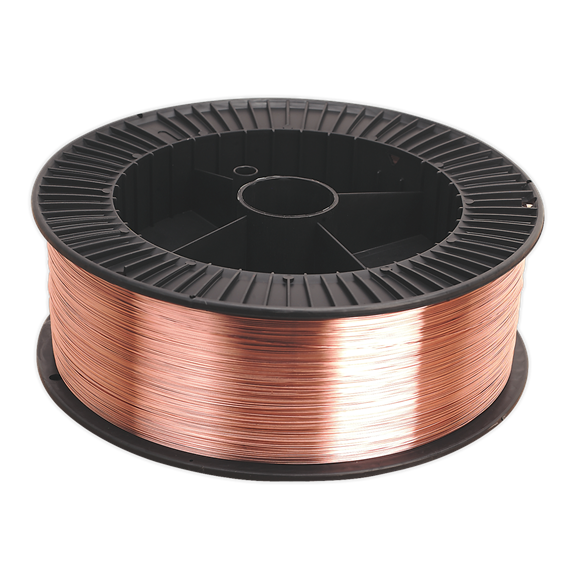
Bare solid MIG wire (such as steel and stainless MIG) doesn't like humidity — surface rust and moisture cause feeding problems and weld porosity.
- Store spools in a dry, room-temperature area, ideally in their original sealed bag until you fit them.
- When you take a part-used spool off the machine, drop it back into a sealable bag — a few silica-gel sachets in the box help.
- Don't leave a spool sitting on the welder in an unheated workshop over a damp weekend; that's when wire picks up surface oxidation.
- Buy wire in the diameters you actually turn over — a smaller spool used quickly beats a big one going rusty.
Flux-cored & gasless wire is even more moisture-sensitive than solid wire because of the flux inside it. Keep it sealed, use it promptly, and don't stockpile more than you'll get through.
Stick electrodes (MMA rods)
The flux coating on stick electrodes — particularly low-hydrogen basic rods — readily absorbs moisture, which leads straight to hydrogen cracking on critical welds.
- Keep rods in a sealed tin or, for low-hydrogen types, a heated rod oven or quiver where specified.
- Once a tin is opened, use the rods within a sensible window — don't leave them open on the bench.
- Discard any rod with a cracked, flaking or damp coating; it won't run cleanly and isn't worth the risk.
TIG rods & tungstens
TIG filler rods should be kept clean, dry and free of oil or fingerprints — contamination shows up instantly in a TIG weld. Store them flat in their tube. Tungsten electrodes keep indefinitely if dry; just protect the ground tip from knocks.
Abrasives — discs, flap discs & grinding wheels
Bonded abrasives genuinely do expire. Resin breaks down over time, so a wheel well past its date can be dangerous as well as ineffective.
- Check the expiry date stamped on cutting and grinding discs, and use oldest first.
- Store discs flat, in a dry place, away from heat and damp — never leaning where they can warp or absorb moisture.
- Inspect every disc for chips or cracks before fitting. If in doubt, bin it.
Gas & cylinders
Compressed gas cylinders must be stored upright and secured by chain or strap so they can't fall, in a ventilated area away from heat and ignition sources, with valves closed and caps on when not in use. Keep oxygen separated from fuel gases. If you're ever unsure about handling or storage, ask us — we'd far rather you checked.
PPE — helmets, gloves & respiratory
Your safety kit needs care too. Store auto-darkening helmets out of direct sun and extreme cold, keep the filter lens clean and replace cover lenses when pitted. Let leather gauntlets dry naturally rather than near a heater, and check respirator filters are in date and seals undamaged before each use.
Need to restock?
Running low, or not sure what to order? We'll help you get the right consumable, first time.